 By Hamza@globalarena.org

Have you ever come across an unfamiliar word online, searched for its meaning, and found several websites giving completely different explanations? That is exactly what happens when people look up Merfez. Some articles describe it as a lifestyle idea, others connect it with technology, and a few suggest it has roots in Turkish vocabulary. So, which explanation should you believe?
The answer is more interesting than it first appears. The term has developed several interpretations across online publications, but not every explanation has reliable evidence behind it. Understanding the difference between an established meaning and a modern internet interpretation can save you from believing misleading information.
In this guide, we will explore the available explanations, possible linguistic connections, online uses, and practical ways to evaluate the claims surrounding this unusual term.

What Is Merfez? Understanding Its Meaning
The simplest way to explain Merfez is that it is an uncommon online term without one universally accepted dictionary definition. Its meaning depends largely on where you encounter it and how the person or website uses it.
For example, one website might present it as a name associated with a digital publishing platform. Another might use it to describe simplicity, organization, or a more intentional approach to everyday life.
These interpretations are not necessarily describing the same thing.
That distinction matters because an unfamiliar word can acquire several meanings as different writers begin using it. Sometimes a company creates a name for its business. Sometimes bloggers attach a broader idea to an existing expression. Eventually, readers encounter those explanations together and assume they all have the same origin.
There is currently no strong evidence establishing one official definition that covers every online use of the term.
Why Are There Different Explanations?
There are several possible reasons.
First, the internet allows new expressions to circulate without requiring approval from a dictionary or language authority.
Second, writers sometimes interpret unfamiliar names based on their spelling, sound, or resemblance to existing words.
Finally, content websites often explore emerging search terms from different angles. One article may focus on branding, while another discusses lifestyle or productivity.
This explains why two pages can describe the same expression in completely different ways.
A sensible approach is to examine the context before accepting a definition. If you encounter the name on a business website, look at the services offered. If you find it in a lifestyle article, consider whether the writer is explaining an established philosophy or simply presenting a personal interpretation.
Merfez Meaning and Possible Origins
Understanding the possible origin is one of the most interesting parts of researching this term. Unfortunately, this is also where unsupported explanations can become confusing.
Some online publications suggest a connection with Turkish vocabulary, particularly the word merkez. This is an interesting possibility, but there is an important difference between a linguistic resemblance and a proven origin.
The Possible Turkish Connection
The Turkish word merkez means center, central point, or headquarters, depending on the context.
For example, a business might use the word when referring to its central office. Someone discussing geography could use it to describe a central location.
Because the spelling looks somewhat similar, some writers have suggested that the unfamiliar expression might have developed from this Turkish word.
However, there is no established historical or linguistic evidence confirming that connection.
Another Turkish word worth distinguishing is menfez. It can refer to an opening, vent, or passage in certain contexts.
Although the spellings look related, these are separate words with their own meanings. It would be inaccurate to treat them as interchangeable.

Could It Be a Newly Created Name?
Absolutely. Many familiar names began as invented expressions.
Think about modern technology companies. Their names are not always ordinary dictionary words. Some are shortened versions of longer expressions, while others are completely invented for branding purposes.
A distinctive name can be memorable precisely because it does not have an obvious everyday meaning.
Possible explanations include:
- A newly created brand identity.
- A modified spelling of an existing expression.
- A name developed for an online publication.
- A regional or personal expression that has not received wider recognition.
- A newly coined internet term.
At present, there is not enough reliable historical information to identify a specific creator, original date, or confirmed etymology.
The best conclusion is to leave the origin open rather than invent a convincing-sounding story.
Is Merfez a Real Word?
This question deserves a straightforward answer: something can be a real name without being an established dictionary word.
Consider a newly launched business. Its name becomes real as soon as the business begins using it. Customers can search for it, discuss it, and recognize it. However, that does not automatically make the name part of standard English vocabulary.
The same distinction applies here.
A word generally becomes established through repeated and recognizable use. Dictionaries examine how people actually communicate, including whether an expression has a consistent meaning across different contexts.
Not every internet expression reaches that stage.
Dictionary Recognition Versus Online Usage
There are three useful categories to understand:
1. Established vocabulary
These are words with recognized meanings and documented usage. Their definitions can usually be found in established dictionaries.
2. Coined expressions
These are newly created words. They might begin as jokes, product names, artistic expressions, or terms used within a particular community.
3. Brand and website names
These identify businesses, publications, products, or services. They can become recognizable without having a traditional dictionary definition.
An unfamiliar expression may belong to the second or third category without being part of the first.
You can investigate this distinction through resources such as Merriam-Webster and Cambridge Dictionary.
It is also worth remembering that dictionaries are not updated instantly. A newly created expression might circulate for years before receiving formal recognition.
The absence of a dictionary entry does not mean nobody uses a term. It simply means that its status as established vocabulary has not been demonstrated.
Lifestyle Interpretations: Simplicity, Comfort and Organization
Some online articles use the name as a broader lifestyle concept. These interpretations commonly involve simplicity, thoughtful decisions, organization, and reducing unnecessary distractions.
Although there is no established philosophy with an official set of principles under this name, the ideas themselves are familiar and practical.
Think about your home for a moment.
You might have a kitchen drawer filled with old receipts, unused batteries, tangled charging cables, and things you cannot remember buying. The drawer is technically organized because everything has a place, but finding something useful still takes effort.
A simpler approach would be to keep the items you actually need and remove unnecessary clutter.
That is the kind of practical thinking some lifestyle articles associate with the term.
1. Choosing Quality Over Quantity
Owning more things does not automatically make life more comfortable.
For example, purchasing five inexpensive kitchen appliances that perform similar functions might create more storage problems than convenience.
Choosing one reliable appliance that meets your needs can be a better decision.
The same principle applies to clothing, furniture, household accessories, and everyday purchases.
2. Creating More Organized Spaces
A comfortable home does not need expensive furniture or elaborate decoration.
Sometimes a few thoughtful changes make the biggest difference:
- Keep frequently used items within easy reach.
- Give everyday belongings a consistent storage location.
- Avoid filling every available surface with decorations.
- Choose furniture that serves a practical purpose.
- Make room for natural light and comfortable movement.
These small decisions can make a room feel calmer without requiring a complete makeover.
3. Protecting Your Time and Attention
Physical clutter is only one part of the problem.
Constant notifications, unnecessary meetings, and too many unfinished tasks can also make daily life feel overwhelming.
Try choosing three important priorities for the day instead of creating a list of twenty tasks.
You are more likely to finish meaningful work when you know what deserves your attention first.
These are useful lifestyle practices, whether or not someone chooses to associate them with a particular online expression.
Digital Publishing and Technology Uses
Another concrete area where the name appears is online publishing.
Websites using this identity publish informational material across different subjects. Depending on the publication, visitors may encounter articles about technology, business, education, lifestyle, and other general-interest topics.
This is different from describing the name as a specific software product.

What Is a Digital Publishing Platform?
A digital publishing platform is an online environment where information is created and made available to readers.
Examples include:
- Educational blogs.
- Online magazines.
- Technology publications.
- Business information websites.
- Digital news platforms.
- Industry-specific resource websites.
A typical publishing website allows visitors to browse articles, read guides, and explore different categories.
For example, someone researching website security might visit a technology publication to understand password protection, software updates, or common online threats.
Another reader might visit the same publication for information about business management or digital marketing.
The purpose is to make useful information accessible through the internet.
UNESCO provides an introductory explanation of digital platforms and their role in online interactions and information sharing.
Is It a Technology Tool or AI Software?
This is where readers should be particularly careful.
Some online articles associate the term with artificial intelligence, productivity software, digital management, or advanced technology.
However, discussing technology does not automatically mean a website provides technology services.
A publication that writes about artificial intelligence is not necessarily an AI application. Likewise, an article explaining search engine optimization does not mean the publisher owns an SEO tool.
Before describing any website as software, check whether it actually offers a working product.
Look for:
- An official product description.
- A demonstration or working interface.
- Clear pricing information, if applicable.
- Terms of service and privacy policies.
- Contact information.
- Independent reviews from identifiable users.
These details help distinguish an informational website from an actual technology service.
Why Are People Searching for This Unusual Term?
An unfamiliar expression can attract attention for several reasons.
Sometimes someone encounters it in an article and wants to understand what it means. Other times, a name appears in a search suggestion, social media post, website address, or online discussion.
Curiosity is often enough to start a search.
1. Conflicting Online Information
Imagine searching for a new word and finding one article describing it as a lifestyle philosophy and another calling it a software platform.
Naturally, you want to know which explanation is correct.
When different websites repeat different interpretations, readers may search again to find a more reliable answer.
2. Search Engine Visibility
Search engines make it easier to discover uncommon expressions.
Once an article about a particular term is indexed, other publishers may decide to create their own explanations. This can increase the number of pages appearing in search results.
However, more articles do not necessarily mean that a word has become widely used in everyday conversation.
Search visibility and real-world popularity are two different things.
3. Interest in New Names and Concepts
People regularly encounter unfamiliar business names, online identities, and creative expressions.
They naturally want to understand whether they are looking at a product, a service, a person, or simply a newly invented word.
This is especially common when a name does not immediately explain what it represents.
Is It Actually Trending in 2026?
There are recent articles discussing the term, including publications from 2026.
However, I could not verify reliable search-volume figures or independent audience statistics showing how popular it has become.
That means it would be misleading to describe it as a major worldwide trend.
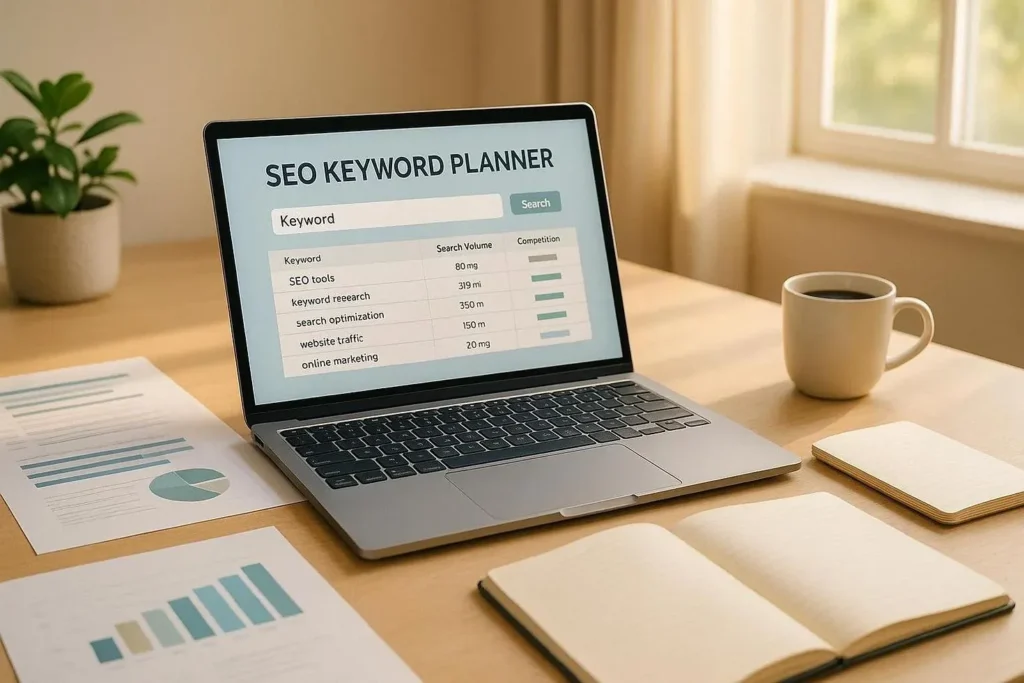
To investigate the popularity of Merfez properly, you can use Google Trends and Google Keyword Planner. These resources help distinguish actual search interest in Merfez from claims made in individual blog articles.
How to Evaluate Claims and Avoid Misleading Information
When researching an unfamiliar name, you do not need to believe the first explanation you find.
A few simple checks can make your research much more reliable.
Check the Original Source
If an article claims that a company created a new platform, look for the company’s official website.
If someone suggests that a term has an ancient cultural meaning, look for historical or linguistic documentation.
A statement repeated across ten blogs is not necessarily ten independent pieces of evidence. Those websites may simply be repeating the same original claim.
Look for Supporting Documentation
Reliable explanations usually provide something readers can verify.
Depending on the claim, that evidence might include:
- A recognized dictionary entry.
- An official company website.
- Historical publications.
- Academic linguistic research.
- Government or institutional records.
- Independent reporting.
For example, if someone claims that a particular name comes from Turkish, a reliable linguistic reference is more useful than a lifestyle blog making the same suggestion.
Be Careful With Commercial Claims
Suppose you find a website advertising a product under an unfamiliar name.
Before purchasing anything related to Merfez, check who operates the business, whether its contact information is genuine, and whether its payment and refund policies are clear.
Do not provide financial information simply because a website looks professional.
A polished design is not proof of legitimacy.
Separate Facts From Interpretations
This is probably the most useful research habit of all.
There is nothing wrong with a writer suggesting that an unfamiliar expression represents simplicity or creativity.
The problem begins when a personal interpretation is presented as an established historical fact.
A trustworthy explanation makes that distinction clear.
FAQs: Merfez
1. What does Merfez mean?
It is an uncommon online term without one universally recognized definition. Different websites use it as a name or associate it with lifestyle, organization, technology, and digital publishing. Its exact origin has not been reliably established.
2. Is Merfez a Turkish word?
There is no confirmed evidence establishing it as a standard Turkish word. Some writers connect its spelling with merkez, meaning center, or menfez, meaning an opening or vent. These similarities do not prove a shared origin.
3. Is Merfez a real website?
Websites using this name appear in online search results. However, individual websites should be evaluated separately. Check their official domains, ownership information, published content, contact details, and services before assuming they are connected.
4. Is it connected to minimalism?
Some online interpretations associate it with simplicity, organization, and intentional living. These ideas overlap with minimalism, but there is no established framework proving that the two represent officially connected philosophies.
5. Why are people interested in this term?
People are curious because they encounter it in online articles and discover different explanations. Some want to understand its possible meaning, while others are researching its origin, website identity, or use in digital publishing.
Conclusion
The most useful way to understand Merfez is to consider the context in which you encounter it. It appears as an online name and publishing identity, while other websites have attached interpretations involving lifestyle, organization, creativity, and technology.
However, there is currently no universally accepted dictionary definition or well-documented origin. The suggested Turkish connection is interesting, but spelling similarities alone cannot establish where a word came from.
If you are researching the term for personal interest, branding, or an article, focus on information that can be independently checked. Look at original websites, established dictionaries, and reliable publications rather than relying on repeated online explanations.
You can also use the broader ideas of simplicity and intentional organization in everyday life without treating them as an official philosophy.
The next time you encounter an unfamiliar online expression, take a few minutes to check its original source and supporting evidence. That small habit will help you separate useful information from speculation and make much better decisions about what you read and share.