 By Hamza@globalarena.org

Imagine starting your morning with a swim, jumping on a bicycle, and finishing with a run around a university campus. Now imagine doing all three while supporting children and families who need medical care. That’s the idea behind trideltathon, a charity sporting event that became part of Knoxville, Tennessee’s university community.
Although many people discover the event through its unusual name, there is much more to its story than a three-part fitness competition. It has a connection with Delta Delta Delta sorority, the University of Tennessee, and East Tennessee Children’s Hospital. Its original race format also differs from the newer running event associated with the same organization.
This guide explains how the event worked, why it became memorable, what happened in 2020, and what people should know about its modern-day charitable connection.
What Is Trideltathon and Why Was It Created?
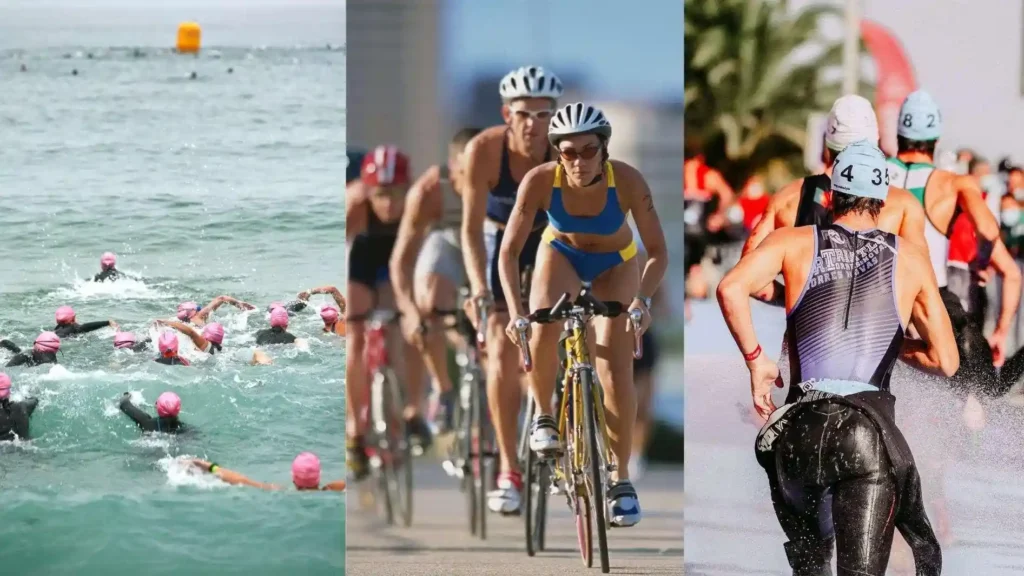
Trideltathon was a pool-based charity triathlon held in Knoxville, Tennessee, near the University of Tennessee campus. It brought together three athletic activities: swimming, cycling, and running. The event also supported a charitable cause, with proceeds directed toward East Tennessee Children’s Hospital.
The name combines the identity of Tri Delta, the common name for the Delta Delta Delta sorority, with the word triathlon. This connection reflects the involvement of sorority members in organizing and supporting the competition.
Unlike a traditional marathon, which focuses entirely on running, a triathlon challenges participants to move between different sports. Each activity requires a different set of skills. You need swimming ability, cycling control, and enough stamina to finish the running stage.
The Knoxville event offered a relatively short course compared with many long-distance triathlons. That made it an interesting option for people who wanted to experience a multi-sport competition without committing to an exhausting full-distance race.
The event also had a community purpose. Students, athletes, volunteers, and local supporters could come together for an enjoyable sporting occasion while helping a children’s hospital.
The History of the Knoxville Charity Triathlon
Some sporting events become memorable because of famous athletes or international competitions. Others earn their place in local history through years of community involvement.
The Knoxville competition appears to have started in the mid-1980s. Its archived 2020 registration listing described the planned edition as the 36th year of the event. This suggests a long-running tradition, although the precise inaugural date has not been independently established.
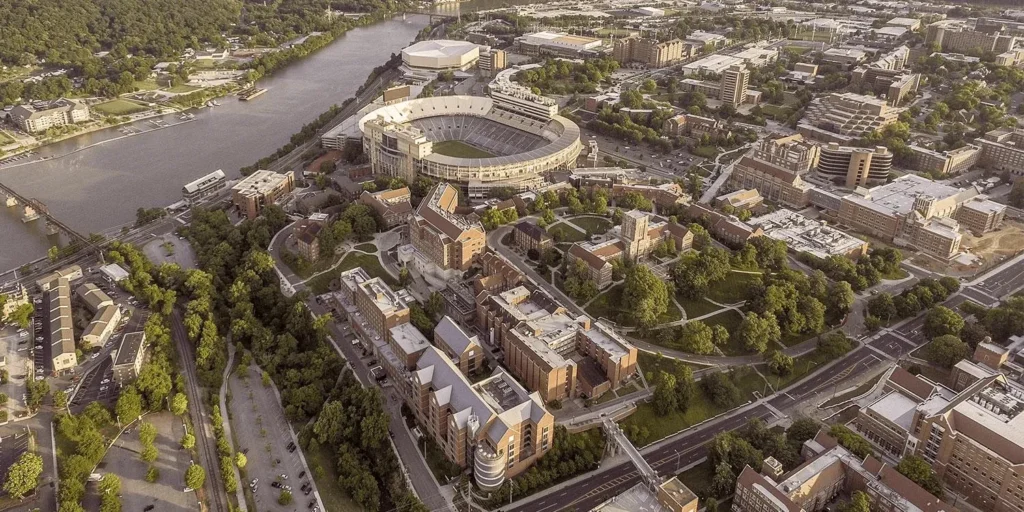
The University of Tennessee played an important role in the competition. Its Student Aquatic Center provided the indoor swimming venue, while nearby campus roads and routes were used for the cycling and running portions.
Delta Delta Delta members provided volunteer support. Their involvement helped connect the sporting event with the university’s student community and charitable activities.
Over time, the race developed a recognizable identity. Participants could compete individually or join relay teams, and the event included age-group and overall awards.
One interesting detail is that the 2020 organizer description promoted it as the oldest running pool triathlon in the country. This is an organizer’s historical claim, rather than an independently verified national record.
Nevertheless, the archived race information provides evidence of its longstanding presence in Knoxville.
How Did the Trideltathon Race Actually Work?
Understanding the original course makes the event much easier to picture. It was not simply a running competition with a short swim added at the beginning.
The archived 2020 race description listed three stages:
- 400-meter indoor swimming
- Six-mile cycling route
- Three-mile running course
Participants completed the stages in swim-bike-run order. The course combined an indoor pool experience with outdoor routes around the University of Tennessee campus.
1. The 400-Meter Indoor Swimming Stage
The first challenge was a 400-meter swim inside the University of Tennessee Student Aquatic Center.
An indoor swimming pool offered a different experience from open-water triathlons. Participants did not have to deal with waves, changing water conditions, or the navigation challenges that can occur in lakes and rivers.
For example, someone who regularly swims at a local fitness center might feel more comfortable starting in a familiar pool environment than entering a large open-water competition.
However, swimming still requires energy management. Starting too quickly can make the remaining stages more difficult.
A controlled pace is usually more useful than trying to finish the swimming section as quickly as possible.
2. The Six-Mile Bike Ride
After swimming, competitors moved to the cycling portion.
The historical route covered approximately six miles and included the University of Tennessee campus and Neyland Drive.
Cycling after swimming requires a change in physical effort. Your muscles are moving differently, and you need to adjust to controlling a bicycle while maintaining enough energy for the final stage.
The course also provided an opportunity to experience the university surroundings.
For participants unfamiliar with Knoxville, the campus setting made the race more than a typical indoor sporting competition.
A practical consideration for any similar event is bicycle preparation. Checking tire pressure, brakes, gears, and helmet fit before race day can prevent unnecessary problems.
3. The Three-Mile Running Course
The final stage was a three-mile run around the university area.
Historical race information describes a campus route that passed landmarks including Neyland Stadium and Thompson-Boling Arena.
By this point, competitors had already completed swimming and cycling. Even a relatively short running distance could feel more challenging because the body was already tired.
This is one of the interesting features of triathlon racing. You are not simply running three miles after a normal morning. You are running after completing two other activities.
The best approach is to maintain a manageable pace, stay hydrated, and avoid using all your energy during the earlier stages.
Delta Delta Delta and Its Charity Mission
The charitable side of the event was just as meaningful as its athletic format.
Delta Delta Delta, commonly known as Tri Delta, was closely involved through volunteer support. Sorority members helped create a welcoming environment and supported the event’s organization.
The historical race listing named East Tennessee Children’s Hospital as its beneficiary.
Children’s hospitals provide specialized medical services for young patients. Their work can involve emergency treatment, long-term care, specialist consultations, and support for families dealing with difficult medical situations.
Trideltathon demonstrates how fundraising sporting events give communities a practical way to contribute. Instead of relying only on traditional donation campaigns, organizers can bring people together around a shared activity and support meaningful causes.
For participants, this creates an additional reason to take part. Completing a race becomes more meaningful when it also supports an organization serving children and families.
It is worth keeping the historical and modern fundraising records separate. The original event listing identifies East Tennessee Children’s Hospital, while the newer TriDeltaRUN listing names both East Tennessee Children’s Hospital and Camp Eagles Nest.
There is no verified lifetime fundraising total for the original triathlon in the records reviewed, so an exact historical amount should not be assumed.

Why Was the 2020 Event Canceled?
The 2020 edition was scheduled for April 19, 2020, in Knoxville.
However, it did not take place.
According to the archived registration page, the University of Tennessee decided to move to an online model for the remainder of the academic year. Organizers subsequently announced that the planned competition had been canceled.
The cancellation was part of the disruption caused by the COVID-19 pandemic.
Organizers explained that they had explored the possibility of arranging a later date but could not secure a suitable replacement.
During Trideltathon‘s 2020 cancellation, registered participants were given several options, including allowing their entry fees to remain with the event to support the chosen charity, requesting a refund, or transferring their registration.
This announcement is useful because it provides a documented explanation rather than relying on speculation.
It also shows how an event involving university facilities, volunteers, participants, and charitable partners can be affected when normal campus activities change.
Importantly, the cancellation announcement refers to the 2020 edition. It should not be interpreted as evidence that every future activity connected with the organization was permanently canceled.
Trideltathon vs. TriDeltaRUN: What’s the Difference?
This is probably the most important distinction for anyone researching the event today.
The original triathlon and the newer TriDeltaRUN share an organizational and charitable connection, but they have different formats.
The historical competition combined swimming, cycling, and running. TriDeltaRUN is a running-only 5K event.
Here is a simple comparison:
| Feature | Original triathlon | TriDeltaRUN |
|---|---|---|
| Event type | Pool-based triathlon | 5K running event |
| Swimming | 400 meters | Not included |
| Cycling | 6 miles | Not included |
| Running | 3 miles | 5 kilometers |
| Historical venue | UT Student Aquatic Center | UT Gardens |
| Location | Knoxville, Tennessee | Knoxville, Tennessee |
| Organization | Race Day Events and Tri Delta volunteers | Race Day Events and Delta Delta Delta |
| Charity connection | East Tennessee Children’s Hospital | East Tennessee Children’s Hospital and Camp Eagles Nest |
The 2026 TriDeltaRUN listing described the event as its fifth year and scheduled it for April 19, 2026, at UT Gardens.
Its course was largely contained on the Third Creek Greenway.
The event also offered overall and age-group awards, refreshments, race shirts, and student discounts.
This change in format matters because someone preparing for a 5K does not need the same equipment or training as someone preparing for a triathlon.
If you are looking for historical information, focus on the original three-stage competition. If you are interested in the newer charitable running event, look for TriDeltaRUN registration announcements.
Is the Event Still Happening in 2026?
The short answer is that the original swim-bike-run competition does not have a verified upcoming 2026 date in the available records.
However, the related TriDeltaRUN event did take place on April 19, 2026.
Its published listing identifies the University of Tennessee’s UT Gardens as the venue. The race began at 10:00 a.m., and the online registration period is now closed.
There is also a public donation record for the 2026 event showing $5,125 raised from 167 donors.
That figure is a useful example of the charitable activity associated with the newer running event. It should not be confused with the amount raised by the original triathlon over its entire history.
Anyone interested in participating in a future edition should check the organizer’s website and registration pages rather than relying on old race listings.
Useful places to check include:
- RunSignup for event registration and announcements.
- Race Day Events for organizer information.
- University of Tennessee event listings for campus-related updates.
- Delta Delta Delta’s official channels for organizational announcements.
As of November 22, 2026, I could not verify a confirmed 2027 race date.
What Should You Know Before Participating in a Future Event?
If you discover a new event announcement, take a few minutes to check its details before registering.
Before registering for Trideltathon, confirm the event format. Do not assume that a future Tri Delta sporting event will automatically include swimming, cycling, and running.
A 5K and a triathlon require different preparation.
Check the official event details
Look for:
- Confirmed date and starting time.
- Exact venue and course information.
- Registration fees and deadlines.
- Age restrictions and participant categories.
- Charity beneficiaries.
- Refund and cancellation policies.
These details can change from one year to another.
Prepare according to the distance
For a 5K, a gradual running routine is a sensible starting point. Beginners can combine walking and jogging before progressing toward running the full distance.
For a triathlon, preparation needs to cover all three activities.
A balanced routine might include:
- Swimming practice two or three times a week.
- Comfortable cycling sessions.
- Short running workouts.
- Recovery days between harder sessions.
You do not need to train like a professional athlete to enjoy a community event. Consistency and sensible preparation are more useful than suddenly increasing your training workload.
Understand the charitable purpose
It is also worth checking exactly which organizations will receive the proceeds.
Charity events like Trideltathon may support different beneficiaries in different years, so reading the current event description helps you understand where the money is intended to go.
For anyone who values community involvement, this can be just as important as the race itself.
Frequently Asked Questions About Trideltathon
1. What was Trideltathon?
It was a charity triathlon held in Knoxville, Tennessee, near the University of Tennessee. The historic format included a 400-meter indoor swim, a six-mile bicycle ride, and a three-mile run. Delta Delta Delta volunteers supported the event, which benefited East Tennessee Children’s Hospital.
2. When was the original triathlon canceled?
The scheduled April 19, 2020 edition was canceled after the University of Tennessee moved to online instruction for the remainder of the academic year. Organizers announced that they could not arrange a replacement date and offered registered participants several options.
3. Is TriDeltaRUN the same as the original triathlon?
No. TriDeltaRUN is a 5K running event connected with Delta Delta Delta and Race Day Events. The original competition involved swimming, cycling, and running. Although the two share a community and charitable connection, their sporting formats are different.
4. How much money did the 2026 event raise?
The public TriDeltaRUN donation page recorded $5,125 from 167 donors. This is a fundraising figure associated with the 2026 running event. It should not be treated as the total amount raised by the historical triathlon or its entire charitable history.
5. Can beginners participate in future events?
Beginners can consider participating in a future 5K or suitable triathlon, depending on the event’s eligibility requirements and their fitness level. Start with manageable training, check the official race information, and choose a distance that matches your current ability.
Conclusion
The story of this Knoxville sporting tradition combines fitness, university life, and community fundraising. Its original format brought together swimming, cycling, and running, while its connection with Delta Delta Delta helped create a strong volunteer presence.
Although the 2020 competition was canceled, the charitable connection continued through the related TriDeltaRUN 5K. The 2026 edition demonstrated that community members were still supporting the cause, with its public donation page recording contributions from 167 donors.
For anyone researching trideltathon, the biggest takeaway is to understand the difference between the historical triathlon and the newer running event. They share a background, but they are not interchangeable.
If you want to participate in a future event, check the official Race Day Events and RunSignup pages for confirmed dates, registration information, and updated race formats. That is the best way to avoid relying on outdated listings and to make sure you know exactly what you are signing up for.