 By Hamza@globalarena.org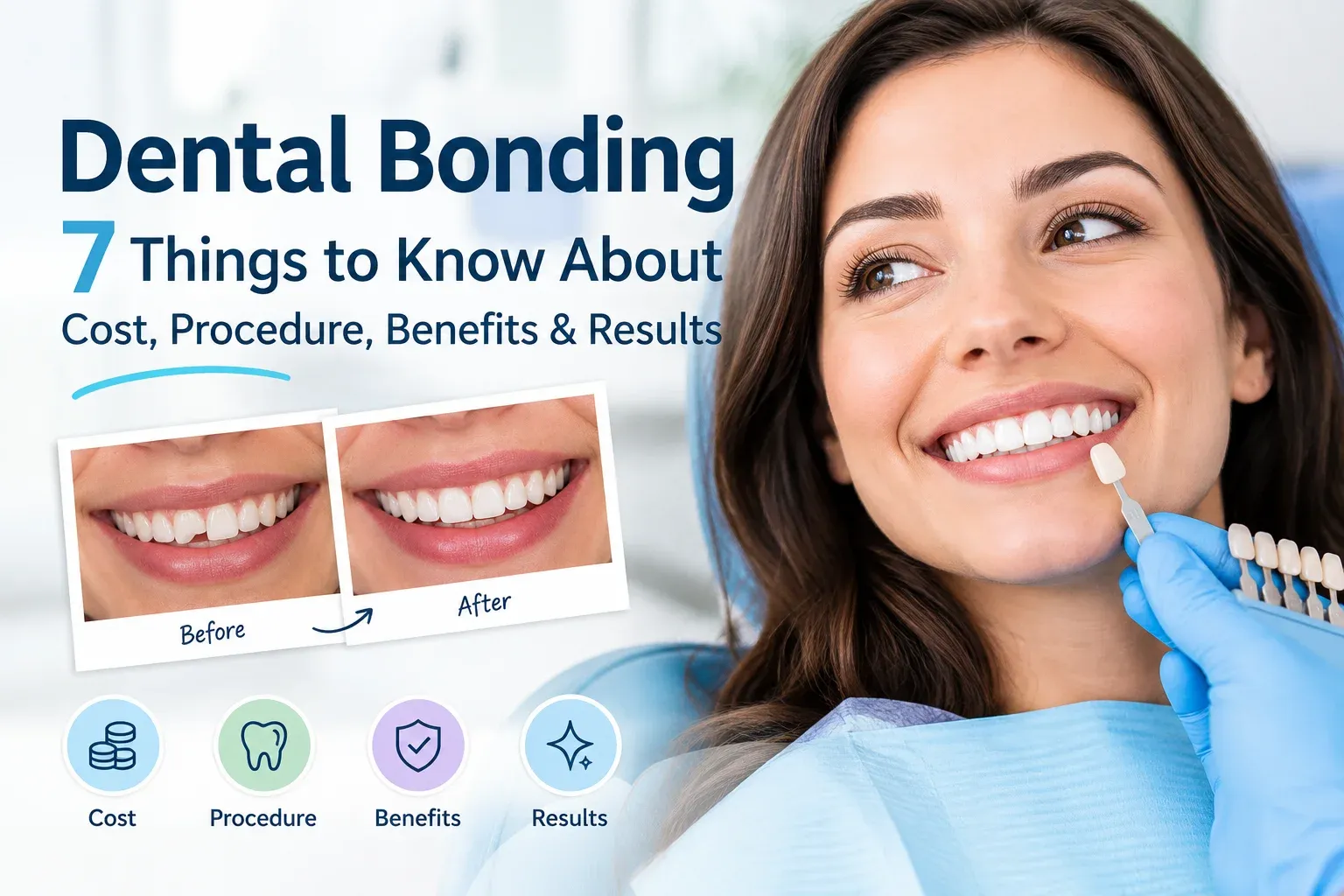
If you have a small chip, an uneven tooth edge, a minor gap, or a tooth that looks different from the rest of your smile, you may be wondering whether there is a simple way to improve it. Dental bonding is one option dentists may recommend for these concerns.
The treatment uses a tooth-colored composite resin that is applied directly to the tooth. Your dentist can shape and polish the material so it blends with your natural teeth. Because the material is placed directly on the tooth, treatment can often be completed without extensive preparation.
But this treatment is not right for everyone, and it is not a permanent solution for every dental problem. The best choice depends on your teeth, bite, oral health, cosmetic goals, and the amount of tooth structure that needs attention.
This guide explains what you should know before making a decision, from the procedure and cost to expected results, aftercare, longevity, and alternatives.
What Is Composite Tooth Bonding?
Dental bonding is a treatment in which a dentist applies tooth-colored composite resin to a tooth and carefully shapes it to improve its appearance or restore a small area of lost tooth structure. The material is hardened with a special curing light and then polished.
You may also hear the treatment described as tooth bonding or composite bonding. The same basic material can be used for cosmetic improvements and certain restorative repairs.
For example, a dentist may use bonding to rebuild a small chipped edge, improve the shape of a tooth, close a small space, or make a minor color irregularity less noticeable. In other situations, composite can be used to repair a limited defect in the tooth.
A dental examination is important before treatment because a cosmetic concern can sometimes have an underlying cause that needs attention first.
Who Is a Good Candidate?
A good candidate for dental bonding is generally someone whose teeth and gums are healthy and whose cosmetic concern can be addressed safely with composite resin.
A dentist may consider treatment when you have:
- A small chip or worn tooth edge.
- A minor gap between teeth.
- Slightly uneven tooth shapes.
- A tooth that appears too short.
- Certain areas of discoloration.
- A small cosmetic imperfection.
- A limited area of exposed root, when clinically appropriate.
Your dentist will also look at your bite. If you regularly place heavy pressure on your front teeth, grind your teeth, or have a habit of biting hard objects, composite may be more likely to chip or wear.
The cause of the problem matters too. A gap caused by tooth position, for example, may be better treated orthodontically than by simply adding composite. That is why a consultation should come before choosing a cosmetic procedure.
The Bonding Procedure: What Happens?
The dental bonding procedure is usually completed directly in the dental office. The exact process varies from patient to patient, but these are the typical stages.
1. Examination and treatment planning
The dentist examines the tooth, surrounding teeth, gums, and bite. They may also discuss your expectations and explain what changes are realistically possible.
If you have decay, gum disease, an infection, or another dental problem, that issue may need to be treated before cosmetic work begins.
2. Choosing the shade
The dentist selects a composite shade intended to blend with your surrounding teeth. This step is particularly important when treatment is being performed on a visible front tooth.
If you are considering teeth whitening, mention it before treatment. Composite does not whiten in the same way as natural enamel, so the timing of whitening and bonding can affect the final shade match.
3. Preparing the tooth
The tooth is cleaned and prepared so the adhesive system can adhere properly. In many suitable cosmetic cases, preparation is minimal compared with treatments that require substantial removal of natural tooth structure.
4. Applying the composite
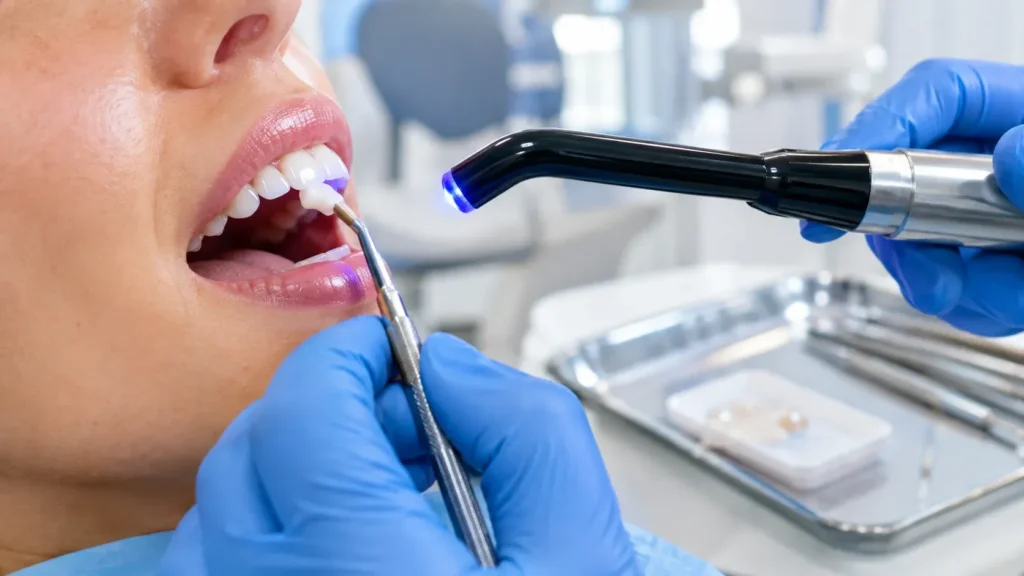
The dentist places the tooth-colored composite resin onto the prepared area. The material is shaped carefully to recreate the desired contour.
This is where attention to detail matters. The tooth should not simply look filled in. Its width, length, edges, surface texture, and relationship with neighboring teeth all influence how natural it looks.
5. Hardening the material
A special dental curing light is used to harden the composite. Depending on the case, the dentist may build the restoration in several layers.
6. Final shaping and polishing
The dentist removes excess material and refines the shape. The bite is checked so the restored area does not receive unnecessary pressure. Finally, the surface is polished.
A small repair may be completed relatively quickly, while several teeth or more detailed cosmetic work can take longer.
What Affects the Cost?
Dental bonding cost varies between dental practices and depends on individual treatment needs. There is no single price that applies to every case.
The final fee may be affected by:
- Number of teeth being treated.
- Size of the area being repaired.
- Complexity of the cosmetic changes.
- Amount and type of composite required.
- Dentist’s experience and technique.
- Geographic location.
- Whether other dental treatment is needed first.
- Follow-up or maintenance requirements.
When comparing prices, ask whether the quoted amount is per tooth or for the complete treatment. It is also worth asking what is included, such as examination, polishing, adjustments, and follow-up care.
A very low price is not necessarily the best value. Cosmetic composite requires careful planning and finishing, particularly on front teeth where small differences in shape can be noticeable.
The most useful approach is to have a consultation and receive a personalized treatment plan and fee estimate.
Understanding Before-and-After Results
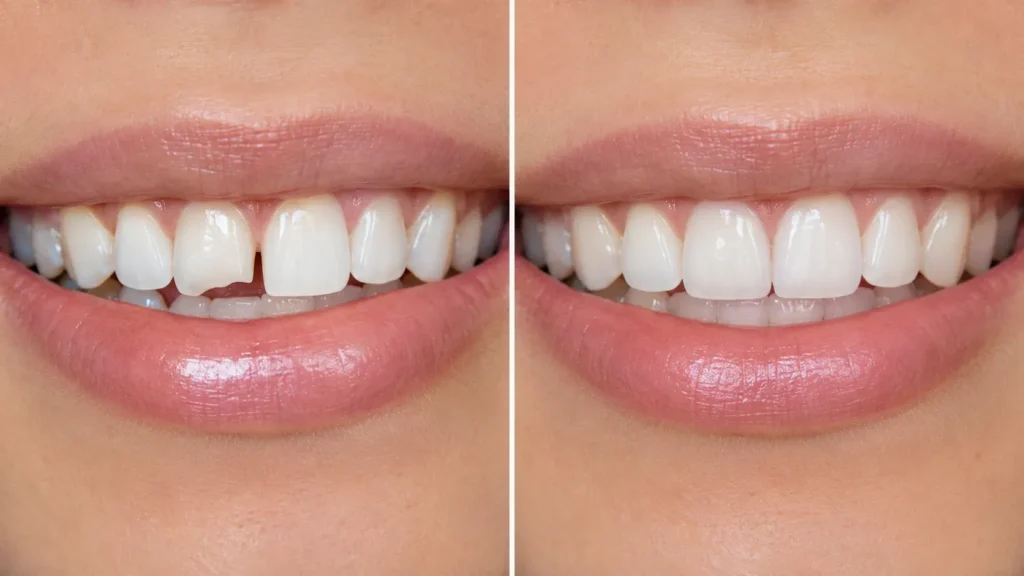
Dental bonding before and after results can range from a subtle correction to a noticeable smile improvement. The outcome depends on what you are trying to change.
For a small chip, the dentist may only need to replace the missing edge. For a gap or several uneven teeth, more composite may be needed to create balanced proportions.
A natural-looking result is not simply about making teeth look white. The dentist needs to consider shape, translucency, texture, tooth proportions, gum position, and the way the teeth meet when you bite.
When looking at before-and-after photographs online, remember that lighting, camera angles, whitening, image editing, and photography equipment can influence what you see. A photograph can show what is possible, but it cannot guarantee that another patient’s result will be the same as yours.
Tooth Bonding and Composite Resin
Tooth bonding and composite dental bonding are terms commonly used for treatment involving composite resin placed directly on the tooth.
The material can be used for cosmetic and restorative purposes. In cosmetic dentistry, the dentist may add composite to change the apparent shape, length, or contour of a tooth. In restorative dentistry, composite may repair a limited area of damaged tooth structure.
The important question is not simply what the treatment is called. It is whether the material and technique are appropriate for your tooth and the result you want.
If you are considering treatment, ask your dentist why composite is being recommended and what alternatives are available.
Repairing Chipped Teeth With Composite
Dental bonding for chipped teeth is a common reason people explore composite treatment. A small chip in a front tooth can sometimes be rebuilt by adding resin to the missing area.
The dentist will first determine whether the tooth is otherwise healthy. A small surface chip can be very different from a deep fracture.
If the tooth is painful, highly sensitive, cracked, or has lost a large amount of structure, simply adding composite may not address the underlying problem. A different restorative approach may be needed.
For a suitable minor chip, the dentist can match the material to the surrounding tooth and carefully recreate the natural edge.
Closing Small Gaps
Dental bonding for gaps can improve the appearance of a small space by adding composite to the sides of neighboring teeth.
However, closing a gap is not simply a matter of filling the space. The dentist has to consider the size of the gap and the proportions of the teeth. Adding too much material can make teeth look unusually wide.
The reason for the gap is also important. Tooth shape, missing teeth, tooth position, gum conditions, and other factors can all contribute to spaces between teeth.
If the gap is primarily related to tooth position, orthodontic treatment may be a more suitable option. Your dentist can explain whether composite, orthodontics, or another approach makes sense.
Benefits and Advantages
There are several reasons patients choose this treatment when it is clinically appropriate.
One of the main dental bonding benefits is that the treatment can be relatively conservative. In suitable cases, little alteration to the natural tooth is needed.
Other potential advantages include:
- Composite can be matched to the surrounding tooth shade.
- The dentist can shape the material directly on the tooth.
- Small cosmetic changes can often be completed without laboratory-made restorations.
- Several minor imperfections may be addressed.
- It may cost less than some indirect cosmetic restorations.
- Repairs can sometimes be performed without replacing an entire restoration.
These advantages do not mean bonding is automatically better than veneers, crowns, or orthodontics. Each treatment solves a different type of problem.
How Long Does Composite Bonding Last?
How long does dental bonding last? There is no exact number of years that applies to everyone. The lifespan depends on the tooth’s location, bite forces, oral habits, composite material, clinical technique, and everyday care.
Front teeth may be exposed to biting forces that cause an edge to chip. People who bite fingernails, chew ice, open packages with their teeth, or regularly chew hard objects may put additional stress on composite.
The material can also become worn or stained over time. Some patients eventually need polishing, repair, or replacement.
Your dentist can give you a more useful expectation after examining your teeth and understanding your habits. A restoration that works well for one patient may not have the same longevity for another.
Aftercare and Maintenance
Good oral hygiene is important after treatment. Brush regularly with fluoride toothpaste and clean between your teeth each day.
Try not to use your teeth as tools. Opening packaging, biting pens, chewing ice, or repeatedly biting hard objects can damage both natural teeth and composite restorations.
If you frequently drink coffee, tea, or other staining beverages, ask your dentist about ways to maintain the appearance of your restoration. Composite can respond differently to staining than natural enamel.
Regular dental checkups also give your dentist an opportunity to examine the margins, surface, bite, and surrounding gums.
If a bonded edge becomes rough, chips, or feels different when you bite, have it checked rather than trying to smooth or repair it yourself.
Can Bonded Teeth Be Whitened?
This is an important question if you are planning both whitening and cosmetic treatment.
Teeth whitening changes the color of natural tooth structure, but existing composite does not whiten in the same way. As a result, whitening after bonding may leave a difference between the natural teeth and the restoration.
If you are considering whitening, tell your dentist before the composite is placed. Depending on your treatment plan, whitening may be recommended first so new composite can be matched to the lighter shade.
If an existing bonded restoration no longer matches your teeth, your dentist can discuss polishing, repair, replacement, or other options.
Bonding vs Veneers
Dental bonding veneers are often compared because both can improve the appearance of front teeth, but they work differently.
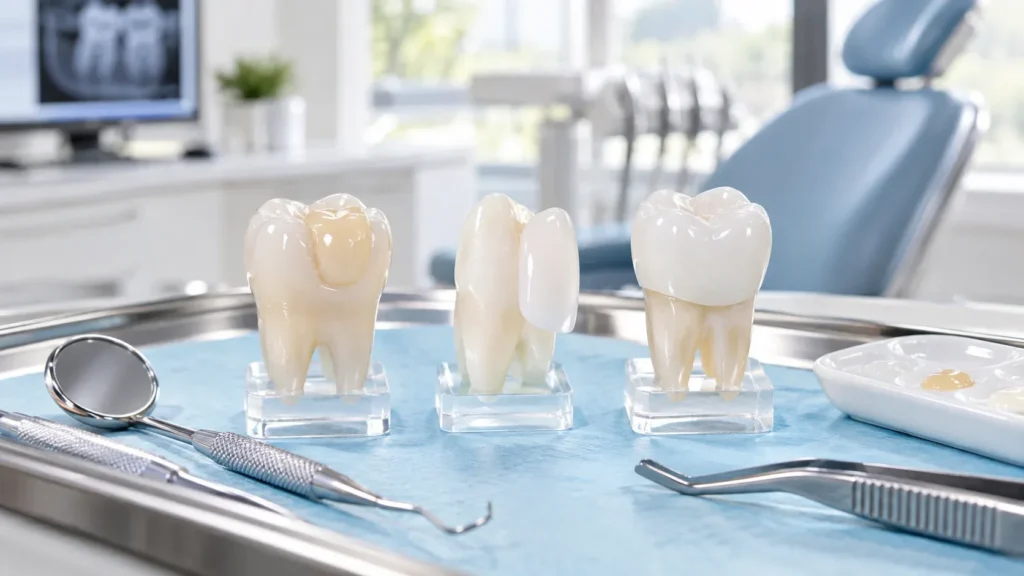
Direct composite bonding is shaped directly on the tooth. Veneers are thin restorations made outside the mouth and then bonded to the tooth.
Bonding may suit someone who wants a smaller, conservative correction. Veneers may be considered when a broader cosmetic change is desired or when the clinical situation calls for an indirect restoration.
The decision should consider tooth health, cosmetic goals, preparation requirements, durability, maintenance, budget, and your bite.
There is no universal winner. A treatment that is appropriate for one smile may be unnecessary or unsuitable for another.
Bonding vs Crowns
Crowns and composite bonding have different purposes.
A crown covers a larger portion of a tooth and is generally used when significant structural protection or restoration is needed. Bonding is more commonly considered for smaller repairs or cosmetic changes when enough healthy tooth structure remains.
For example, a minor chip in an otherwise healthy tooth may be suitable for composite. A badly fractured or structurally weakened tooth may require a crown or another restorative treatment.
Your dentist should explain why a particular restoration is recommended instead of choosing solely on appearance or initial price.
Bonding vs Invisalign
Bonding and Invisalign do not perform the same job.
Composite can change the apparent shape or size of a tooth, while clear aligner treatment is designed to move teeth into different positions.
A small space caused by tooth shape may sometimes be improved with composite. A space caused by tooth position may be better addressed through orthodontics.
In some cases, patients may benefit from a combination of orthodontic treatment and cosmetic bonding. The appropriate sequence depends on the individual treatment plan.
Is the Procedure Painful?
Many simple cosmetic bonding procedures are comfortable, and anesthesia may not be required in every case. However, the level of comfort depends on the tooth and the type of work being performed.
If the tooth already has sensitivity, decay, trauma, or another underlying issue, the treatment plan may be different.
If you are concerned about discomfort, tell your dentist before the appointment. They can explain what you are likely to feel and what can be done to keep you comfortable.
Potential Risks and Limitations
Like any dental restoration, composite bonding has limitations.
The material can chip, wear, fracture, or stain. It may also require maintenance over time. Patients with strong biting forces or habits that place repeated stress on their teeth may have a higher risk of damaging the restoration.
Treatment may also be inappropriate if there is untreated decay, active gum disease, significant tooth damage, or a bite problem that would place excessive pressure on the composite.
The treatment can improve a cosmetic concern, but it cannot correct every underlying dental condition.
When you have pain, swelling, persistent sensitivity, a crack, or a sudden change in tooth color, seek a dental examination rather than assuming the issue is cosmetic.
How to Choose the Right Dentist
The quality of dental bonding depends greatly on careful planning and technique. When choosing a dentist, look for someone who takes time to examine your teeth and explain the available treatment options.
Consider asking:
- Why is composite recommended for my teeth?
- What alternatives should I consider?
- How much natural tooth structure will be changed?
- How will the shade be selected?
- What maintenance might I need?
- What happens if the composite chips?
- What is included in the treatment fee?
It can also be helpful to review genuine before-and-after cases from the dentist’s own practice, with appropriate patient consent.
Do not judge a dentist solely by promotional photographs or the cheapest advertised price. A good consultation should give you a realistic understanding of the expected result, limitations, maintenance, and alternatives.
FAQs: Dental Bonding
Is dental bonding permanent?
No. Composite is not considered a permanent restoration. It can wear, chip, stain, or need repair or replacement over time.
Can bonding fix a small gap?
In selected cases, yes. The dentist should determine why the gap exists and whether adding composite will produce balanced tooth proportions.
Does bonding look natural?
It can look very natural when the shade, shape, surface texture, and contours are carefully matched to the surrounding teeth. Results depend on the individual case and the technique used.
Can bonding fix a broken tooth?
It can sometimes repair a small chip or limited fracture. A severely damaged tooth may need a different restorative treatment.
Can bonded teeth stain?
Yes. Composite can discolor over time, particularly when exposed to staining foods and drinks. Good hygiene and professional maintenance can help preserve its appearance.
Is bonding better than veneers?
Not necessarily. Bonding and veneers have different characteristics, preparation requirements, costs, maintenance needs, and indications. The better choice depends on your teeth and goals.
How long does a bonding appointment take?
Treatment time varies. A small repair may be completed in a relatively short appointment, while multiple teeth or detailed cosmetic work require more time.
Conclusion
For the right patient, composite treatment can be a practical way to improve small cosmetic imperfections or repair limited areas of tooth damage. It can be conservative, versatile, and capable of producing natural-looking results when carefully planned and performed.
At the same time, it is important to understand its limits. Composite can chip, stain, and wear, and some patients may be better served by orthodontics, veneers, crowns, whitening, or another treatment.
The most useful first step is a professional examination. Instead of choosing a treatment based only on photographs, advertisements, or price, discuss your dental health, cosmetic goals, bite, expected result, maintenance, and alternatives with your dentist.
A good treatment plan should improve your smile while also respecting the health and function of your natural teeth.