 By Hamza@globalarena.org
Dental bonding can be a simple way to improve the appearance of chipped, uneven, discolored, or slightly gapped teeth. Because the treatment is generally conservative and can often be completed in a single dental visit, it has become a popular option for people who want a cosmetic improvement without extensive tooth preparation.
But before choosing composite bonding, most patients have one practical question: how long does dental bonding last?
There is no single answer that applies to everyone. Cleveland Clinic states that dental bonding material typically lasts about three to 10 years before it may need a touch-up or replacement. The actual lifespan can vary depending on factors such as oral habits, the number of teeth treated, and how much stress the bonded teeth experience.
That range should be viewed as a general guide rather than a promise. A small repair on one front tooth may behave differently from extensive bonding across several teeth. Your bite, eating habits, oral hygiene, grinding, and the location of the bonding can all make a difference.
This guide explains what affects bonding longevity, how to protect your composite, what happens when it becomes damaged, and when your dentist may recommend repair or replacement.
How Long Does Dental Bonding Last?
For many patients, dental bonding can remain functional and attractive for several years. Cleveland Clinic currently reports a typical lifespan of approximately three to 10 years before bonding may require a touch-up or replacement.
So, how long does dental bonding last in an individual case? It depends on the tooth, the size of the restoration, your bite, your habits, and how well you maintain your oral health.
Bonding placed on the front teeth may experience different forces from composite used elsewhere. For example, someone who frequently bites hard foods with their front teeth may put more stress on an incisal-edge repair.
Likewise, someone who grinds or clenches their teeth may experience more wear or chipping.
The American Dental Association explains that resin composites are a broad group of materials, and their performance depends on factors including material properties, clinical technique, location, and patient-related factors. Research involving composite restorations should therefore not be treated as a guaranteed lifespan for every cosmetic bonding case.
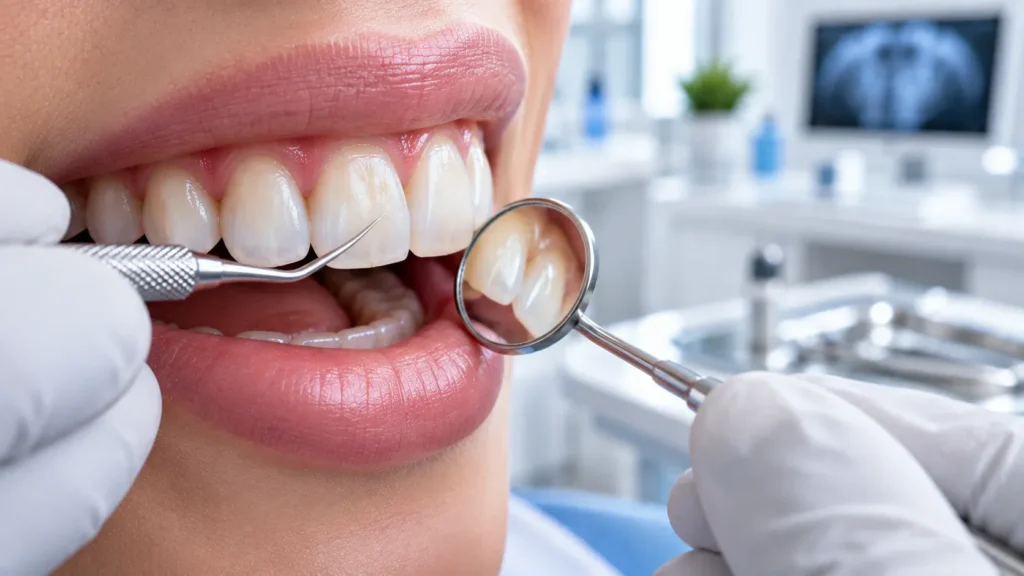
What Affects Dental Bonding Lifespan?
If you’re wondering how long does dental bonding last for your particular smile, it helps to understand the factors that influence its longevity.
1. The Location of the Bonding
Where composite is placed can affect how much stress it experiences.
Bonding on the edge of a front tooth, for example, may be exposed to repeated biting forces. If you regularly use your front teeth to bite hard foods, the restoration may experience additional stress.
A dentist will consider the position of the tooth and your bite when deciding whether bonding is appropriate.
2. Your Bite
The way your upper and lower teeth meet can have a significant effect on a bonded restoration.
If a bonded tooth receives unusually heavy contact when you close your mouth or chew, the composite may be more vulnerable to wear or fracture.
This is one reason a dentist may check your bite during treatment and follow-up appointments.
3. Teeth Grinding and Clenching
Bruxism, or repeated grinding and clenching, can put considerable force on both natural teeth and dental restorations.
If you grind your teeth while sleeping, tell your dentist before or after bonding. Depending on your situation, a dentist may recommend a protective night guard.
Managing excessive forces is particularly important if you’re asking how long does dental bonding last after having several front teeth treated.
4. Everyday Habits
Some habits can shorten the life of composite bonding without you realizing it.
Try to avoid:
- Chewing ice.
- Biting pens.
- Opening packages with your teeth.
- Biting fingernails.
- Chewing very hard objects.
- Using bonded front teeth to break or tear things.
These habits can place sudden forces on composite and may increase the chance of chipping.
5. Oral Hygiene
Good oral hygiene does not make bonding permanent, but it helps protect the natural tooth and surrounding gums.
Brush twice a day with fluoride toothpaste, clean between your teeth daily, and maintain regular dental examinations. Cleveland Clinic also recommends good oral hygiene and routine dental checkups after bonding.
Keeping the surrounding teeth healthy is especially important because composite bonding does not protect a tooth from decay or other oral health problems.
6. Food and Drinks
Composite resin can become stained over time. Cleveland Clinic notes that bonding is somewhat stain-resistant but does not resist staining as well as porcelain restorations.
Coffee, tea, tobacco, and strongly pigmented foods can contribute to discoloration.
You do not necessarily need to eliminate everything you enjoy. Instead, focus on sensible habits, good oral hygiene, and regular dental care.
7. Size of the Restoration
A small amount of composite added to repair a minor chip may have different mechanical demands from a larger cosmetic restoration.
The larger the bonded area and the greater the forces placed on it, the more important proper treatment planning becomes.
Your dentist can explain what kind of longevity is realistic for the specific restoration being considered.
8. Material and Clinical Technique
Composite materials are not all exactly the same. Their formulation, filler characteristics, curing behavior, and handling properties can influence performance.
The technique used by the dentist also matters. Proper tooth preparation, moisture control, composite placement, curing, shaping, finishing, and polishing all contribute to the final restoration.
This is another reason not to compare two patients’ bonding results solely by the number of years their restorations lasted.
9. Regular Follow-Up
Dental bonding should not be treated as something you have placed once and never check again.
During routine dental visits, your dentist can look for:
- Small fractures.
- Rough edges.
- Staining.
- Changes in the bite.
- Wear.
- Problems around the tooth.
- Changes in the underlying tooth.
Early attention may allow a small problem to be managed before it becomes more extensive.
9 Proven Ways to Help Dental Bonding Last Longer
Once you understand how long does dental bonding last, the next question is naturally what you can do to protect it.
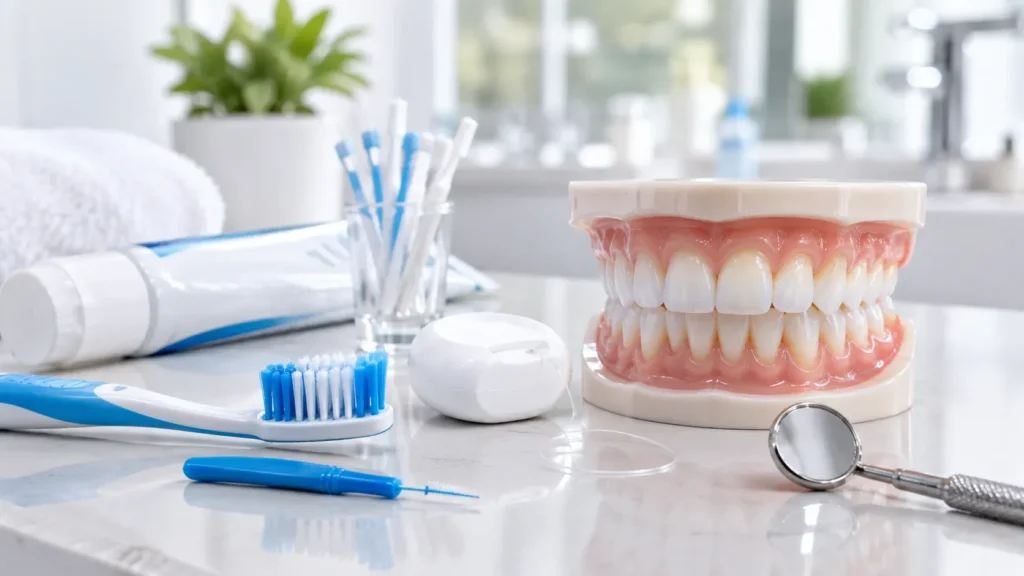
1. Brush Gently Twice a Day
Use a soft-bristled toothbrush and fluoride toothpaste. There is no need to scrub bonded teeth aggressively.
Gentle, consistent cleaning is more useful than applying excessive pressure.
2. Clean Between Your Teeth
Floss or use another dentist-recommended interdental cleaning method every day.
This helps remove plaque from areas a toothbrush cannot reach and supports the health of the natural tooth around the restoration.
3. Stop Using Your Teeth as Tools
Your teeth are designed for eating, not opening packages, cutting tape, or holding objects.
This is particularly important when you have bonding on your front teeth.
4. Avoid Ice and Very Hard Foods
Chewing ice or biting very hard objects can create sudden forces on composite.
Avoiding these habits is one of the simplest ways to reduce unnecessary stress on bonded teeth.
5. Address Teeth Grinding
If you grind or clench your teeth, speak with your dentist.
A dentist can assess whether your bite or grinding pattern may be putting additional stress on your restorations and determine whether protective treatment is appropriate.
6. Limit Frequent Exposure to Staining Substances
Composite can stain more readily than porcelain.
If you regularly drink coffee or tea, good oral hygiene and sensible consumption habits can help maintain the appearance of the restoration.
7. Keep Your Dental Appointments
Regular dental visits allow your dentist to monitor both the bonding and the natural tooth underneath it.
Professional cleaning may also help maintain the overall appearance of your smile.
8. Do Not Ignore Changes
If your bonded tooth suddenly feels sharp, looks different, catches your tongue, or feels unusual when you bite, arrange a dental examination.
A small problem may be easier to manage than a significantly damaged restoration.
9. Follow Personalized Dental Advice
Every patient’s teeth and bite are different.
If your dentist gives you specific instructions after treatment, follow those recommendations rather than relying only on general online advice.
Does Dental Bonding Wear Down Over Time?
Yes. Composite bonding can gradually experience wear from normal chewing and other forces.
If you’re researching how long does dental bonding last, it is important to understand that visible changes can occur before the restoration completely fails.
For example, the surface may become less glossy, the edge may become slightly worn, or staining may become more noticeable.
This does not necessarily mean the bonding needs to be completely replaced.
Depending on the condition, a dentist may be able to polish or adjust the restoration.
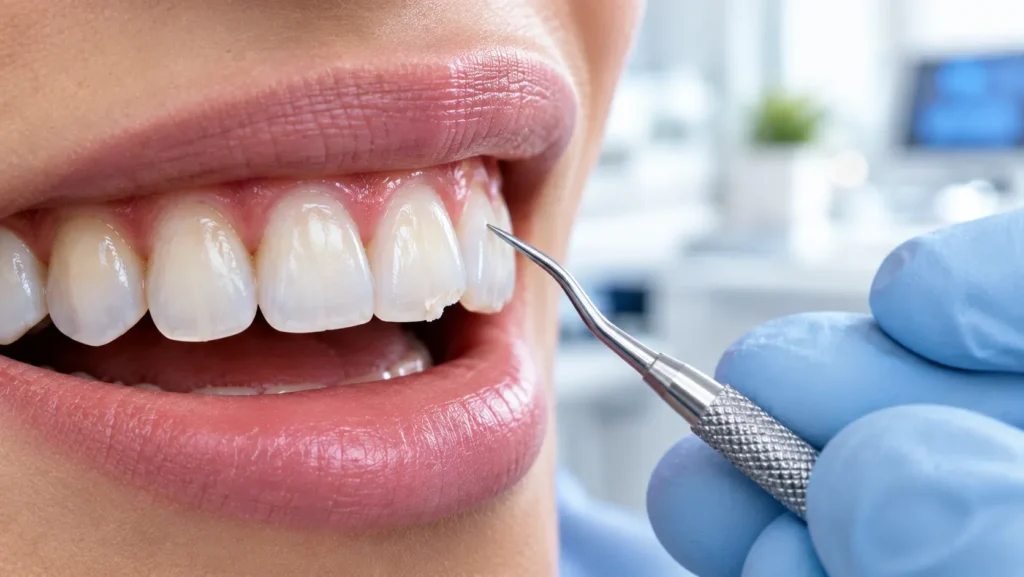
Why Does Dental Bonding Chip or Fall Off?
Composite bonding can chip or detach for several reasons.
Potential contributors include:
- Excessive biting pressure.
- Teeth grinding.
- Trauma.
- Biting hard objects.
- Normal wear.
- Problems with the underlying tooth.
- Stress at the restoration-tooth interface.
The ADA notes that resin composites can be affected by mechanical and thermal stresses, with fracture being an important cause of failure in composite restorations.
If a piece of bonding breaks away, do not automatically assume the entire tooth is damaged.
A dentist should examine the area to determine whether only the composite has fractured or whether the natural tooth underneath has also been affected.
Can Dental Bonding Be Repaired?
In some cases, yes.
One advantage of composite is that a damaged area may sometimes be repaired rather than completely replacing the restoration.
For example, a dentist may be able to add composite, reshape an edge, or polish a rough area.
However, the appropriate solution depends on the extent of the damage and the condition of the underlying tooth.
If you are concerned about how long does dental bonding last, it is also worth knowing that longevity does not always mean the restoration has to remain untouched for its entire lifespan. Maintenance or minor repairs may be possible along the way.
Never try to repair a broken bonded tooth with household glue or another non-dental product.
Does Composite Bonding Stain Over Time?
Yes, composite can develop surface discoloration.
This is one area where porcelain and composite differ. Cleveland Clinic notes that dental bonding is somewhat stain-resistant but does not resist stains as well as porcelain restorations.
Common sources of staining include:
- Coffee.
- Tea.
- Tobacco.
- Dark-colored foods.
- Certain strongly pigmented drinks.
If you notice that your bonded tooth has become darker, your dentist can determine whether professional polishing may improve the appearance or whether replacement is necessary.
Can You Whiten Bonded Teeth?
Whitening and bonding do not respond in exactly the same way.
Teeth whitening changes the color of natural tooth structure, while existing composite material does not simply become lighter in the same way.
If you’re planning whitening and cosmetic bonding, discuss your plans with your dentist before treatment.
In some cases, whitening natural teeth before final composite shade selection can help the dentist choose a shade that matches your desired result.
This is an important consideration if you’re trying to understand how long does dental bonding last from both a functional and cosmetic perspective. A restoration may remain intact while its shade becomes less suitable for the surrounding teeth after whitening.
When Does Dental Bonding Need Replacement?
There is no universal replacement date.
A dentist may recommend repair or replacement if the composite develops significant:
- Fracturing.
- Chipping.
- Wear.
- Persistent discoloration.
- Rough or defective margins.
- Recurrent decay around the restoration.
- Functional problems.
If you’re asking how long does dental bonding last before replacement becomes necessary, the best answer is that the restoration should be assessed based on its actual condition rather than replaced simply because it has reached a certain age.
A bonded tooth that remains healthy, functional, and aesthetically acceptable may not need immediate replacement.
Dental Bonding vs Veneers: Which Lasts Longer?
Porcelain veneers generally have a longer expected service life than composite bonding, although the exact lifespan varies between patients.
Dental bonding is usually more conservative and can often be repaired. Veneers, on the other hand, generally require some enamel preparation and represent a more substantial cosmetic restoration.
Cleveland Clinic describes dental bonding as reversible and notes that it is not as long-lasting as options such as veneers or crowns.
That does not mean veneers are automatically the right choice.
If you only need a small cosmetic correction, the conservative nature of bonding may be more relevant than maximum longevity. If you want a larger smile transformation, your dentist may discuss porcelain veneers or other options.
The decision should take into account your dental health, bite, cosmetic goals, budget, and willingness to undergo tooth preparation.
What Happens During a Dental Bonding Maintenance Visit?
A maintenance appointment does not automatically mean the bonding will be replaced.
Your dentist may:
- Examine the restoration.
- Check the margins.
- Assess your bite.
- Look for small chips or cracks.
- Evaluate staining.
- Check the surrounding tooth.
- Polish the composite if appropriate.
If you’re wondering how long does dental bonding last when properly maintained, remember that maintenance is about monitoring the restoration rather than guaranteeing a particular lifespan.
A small adjustment or polish may sometimes be enough to keep an otherwise healthy restoration looking good.
Is Dental Bonding Permanent?
No. Dental bonding should be viewed as a durable but maintainable cosmetic or restorative treatment rather than a permanent material.
The question of how long does dental bonding last is therefore better understood as a range rather than a deadline.
Cleveland Clinic currently gives a typical range of three to 10 years, while emphasizing that longevity depends on individual factors.
Your own result could differ.
Someone with healthy teeth, a favorable bite, good oral hygiene, and few damaging habits may have a different experience from someone who regularly grinds their teeth or places heavy forces on the restoration.
FAQs: How Long Does Dental Bonding Last
How long does composite bonding usually last?
Cleveland Clinic states that dental bonding material typically lasts around three to 10 years before it may need a touch-up or replacement. Individual results vary depending on the restoration and patient factors.
Can I drink coffee after dental bonding?
Generally, you can continue drinking coffee, but composite may be more prone to surface staining than porcelain. Maintaining good oral hygiene and limiting frequent exposure to staining substances can help.
Does dental bonding need special toothpaste?
Most people can maintain normal oral hygiene with fluoride toothpaste and a soft toothbrush. If your dentist recommends a specific product, follow their personalized advice.
What causes bonding to fail?
Fracture, excessive biting forces, grinding, trauma, hard-object habits, wear, and problems affecting the underlying tooth can all contribute to failure.
Can a bonded tooth be repaired?
Sometimes. Minor damage may be treated with polishing or additional composite, while more extensive damage may require replacement or another restorative option.
Should bonding be replaced after five years?
Not automatically. If the restoration remains healthy, functional, and aesthetically acceptable, your dentist may recommend monitoring it rather than replacing it simply because of its age.
Can dental bonding last 10 years?
Some bonding can remain in good condition for many years, but reaching 10 years is not guaranteed. Cleveland Clinic gives three to 10 years as a typical range.
Conclusion
If you are considering cosmetic bonding, the most useful question is not simply how long does dental bonding last but what you can realistically expect from the treatment based on your own teeth and habits.
For many patients, composite bonding can provide a natural-looking improvement for several years. Cleveland Clinic reports a typical lifespan of around three to 10 years, while broader composite-restoration research shows that longevity varies according to the material, location, technique, and patient factors.
You can help protect the result by maintaining good oral hygiene, avoiding hard-object habits, addressing grinding, attending regular dental appointments, and having any changes checked promptly.
If your bonded tooth becomes chipped, rough, stained, or uncomfortable, do not simply wait for it to deteriorate further. A dentist can determine whether polishing, repair, replacement, or another treatment is appropriate.
Ultimately, successful bonding is not only about keeping composite attached for as many years as possible. It is about maintaining a healthy tooth, a comfortable bite, a functional restoration, and a natural-looking smile.